Decide what needs to go
Start by walking through your home, office, garage, or storage area and making a clear list of the items you want removed. Separate the items you want to keep from the ones you want picked up. This helps avoid confusion on pickup day and makes the process easier for everyone.
If there are heavy or bulky items, such as sofas, cabinets, mattresses, or appliances, note where they are located so the removal team can plan the safest way to move them.
Group smaller items together
Small loose items can slow down the pickup process if they are scattered around different rooms. Try to place smaller junk items in boxes, bags, or one clear area before the team arrives. This makes loading faster and helps reduce the chance of anything being missed.
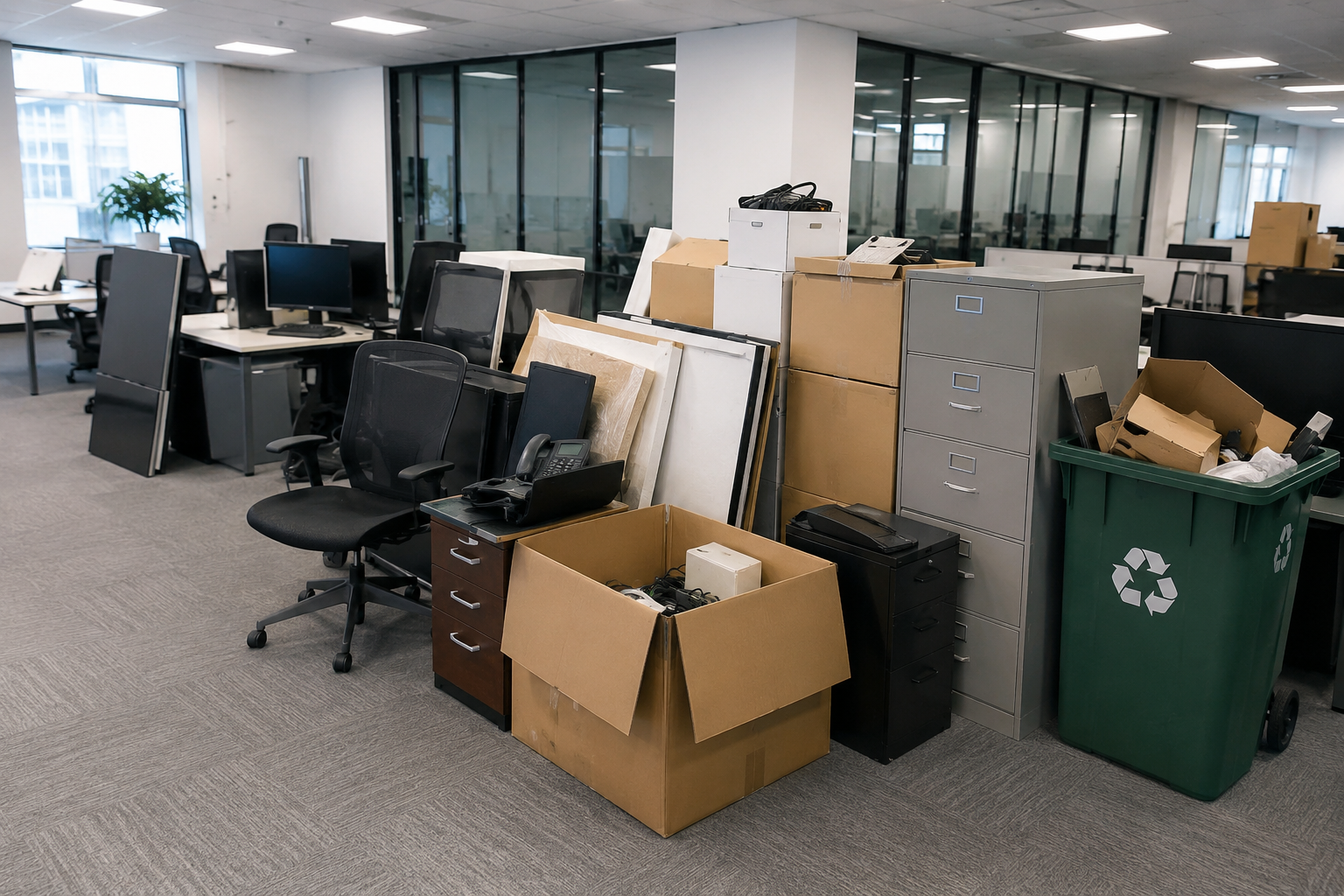
For office cleanouts, you can group old files, packaging waste, broken supplies, and unused equipment in one section for easier collection.
Be ready for the estimate
Many junk removal services calculate pricing based on the amount of junk, item type, loading time, or disposal needs. Having your items grouped and ready helps the team give a clearer estimate before the work begins.
"A smooth junk removal pickup starts with simple preparation. When items are sorted, paths are clear, and details are shared early, the entire cleanup becomes faster, safer, and easier."
Make pickup day easier
On the day of pickup, make sure someone is available to confirm which items should be removed. Walk the team through the space, point out anything that needs special care, and confirm the final details before loading begins.
Final thoughts
Preparing for a junk removal pickup can save time, reduce stress, and make the cleanup process smoother. By sorting your items, clearing a safe path, and sharing important details early, you can help the removal team complete the job quickly and responsibly.